| |
|
|
Download 21ST CENTURY ALCHEMY in PDF format (does not include my platinum-silk formula) |
Silk threads feature a triangular cross-section that acts like tiny prisms. Light hitting the fabric bounces off the flat, prismatic facets with a soft, pearlescent sheen and subtle iridescence.
Silver gelatin film, unlike digital imaging sensors, records highlights in scatterered microscopic silver particles. Only platinum, as a printing medium, faithfully reproduces those particles -- and their glow.
A platinum print on silk does not merely reflect light in a uniform scattering: it produces in its highlights a subtle, delicate glow that silk refracts.
No other photograhic printing medium, or combination of photographic printing processes, can produce the stunning beauty of platinum prints on silk. Palladium does not have this quality of platinum. Nor does cotton or other cellulose fibers.
In the summer of 2025 I succeeded, after almost two years of dogged experimentation, in printing platinum images on silk. This site presents the results of my work. No other images in platinum on silk can be seen anywhere in the world.
| THE PLATINUM GLOW ON SILK |
|---|
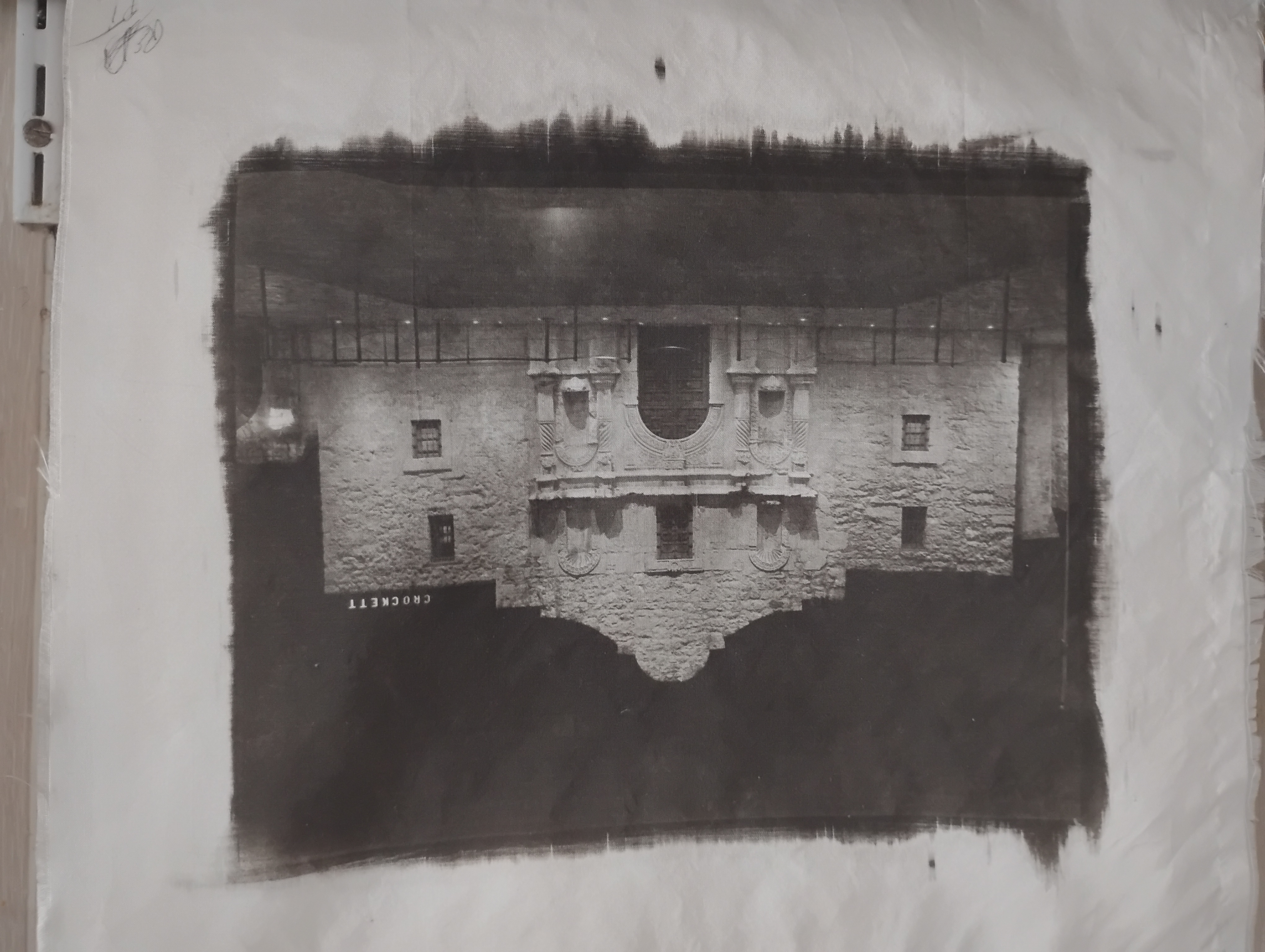 The Alamo, San Antonio, Texas |
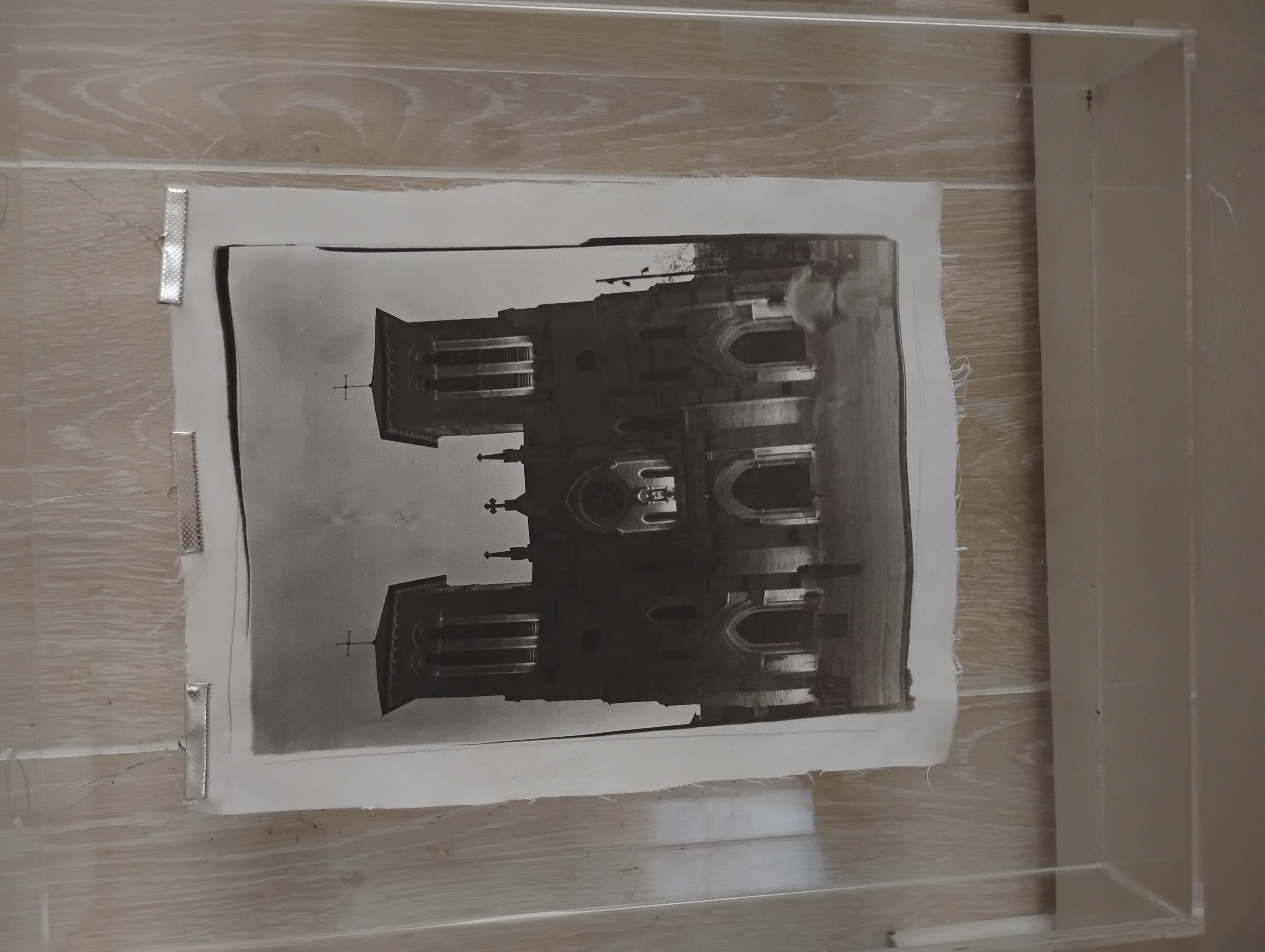 The San Fernando Cathedral, San Antonio, Texas |
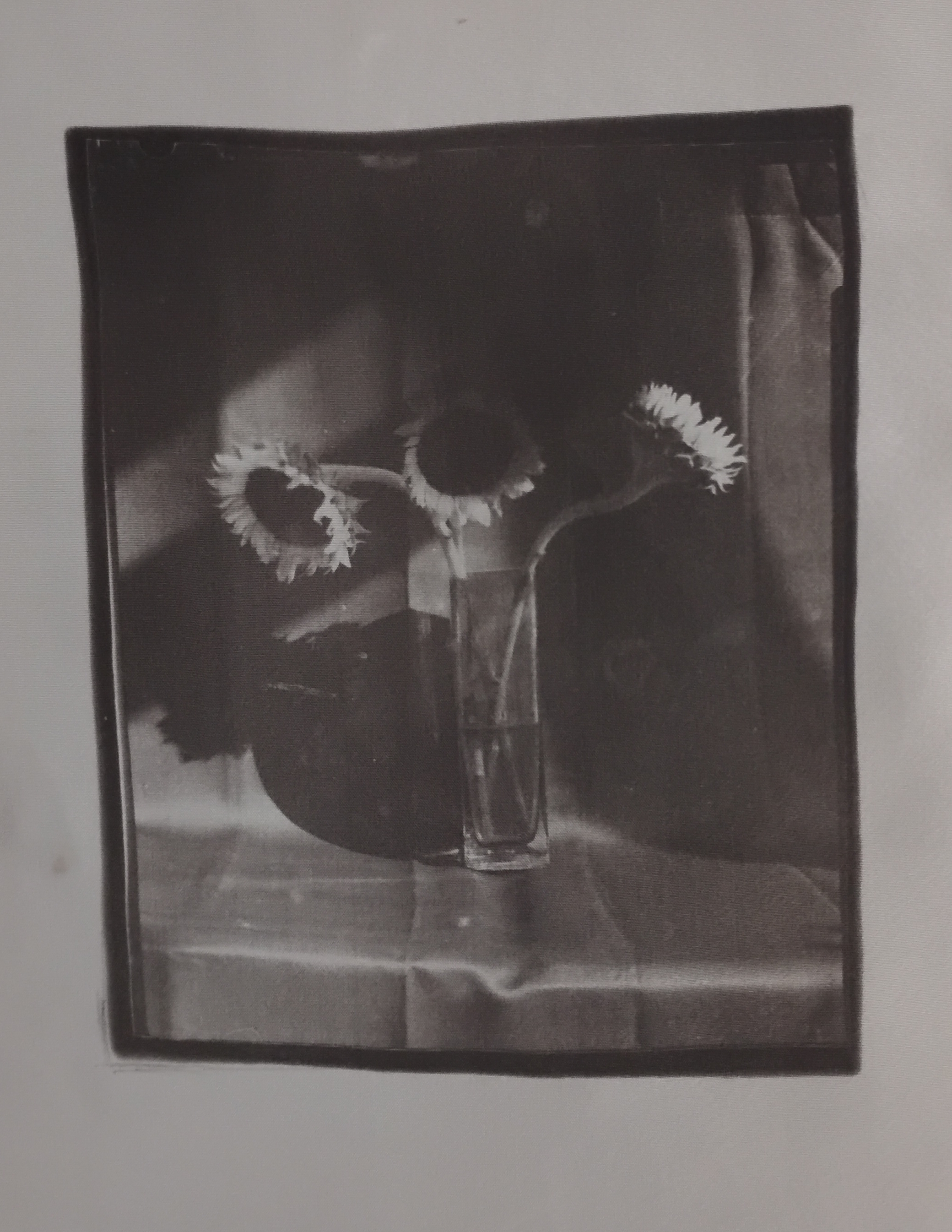 Sunflowers |
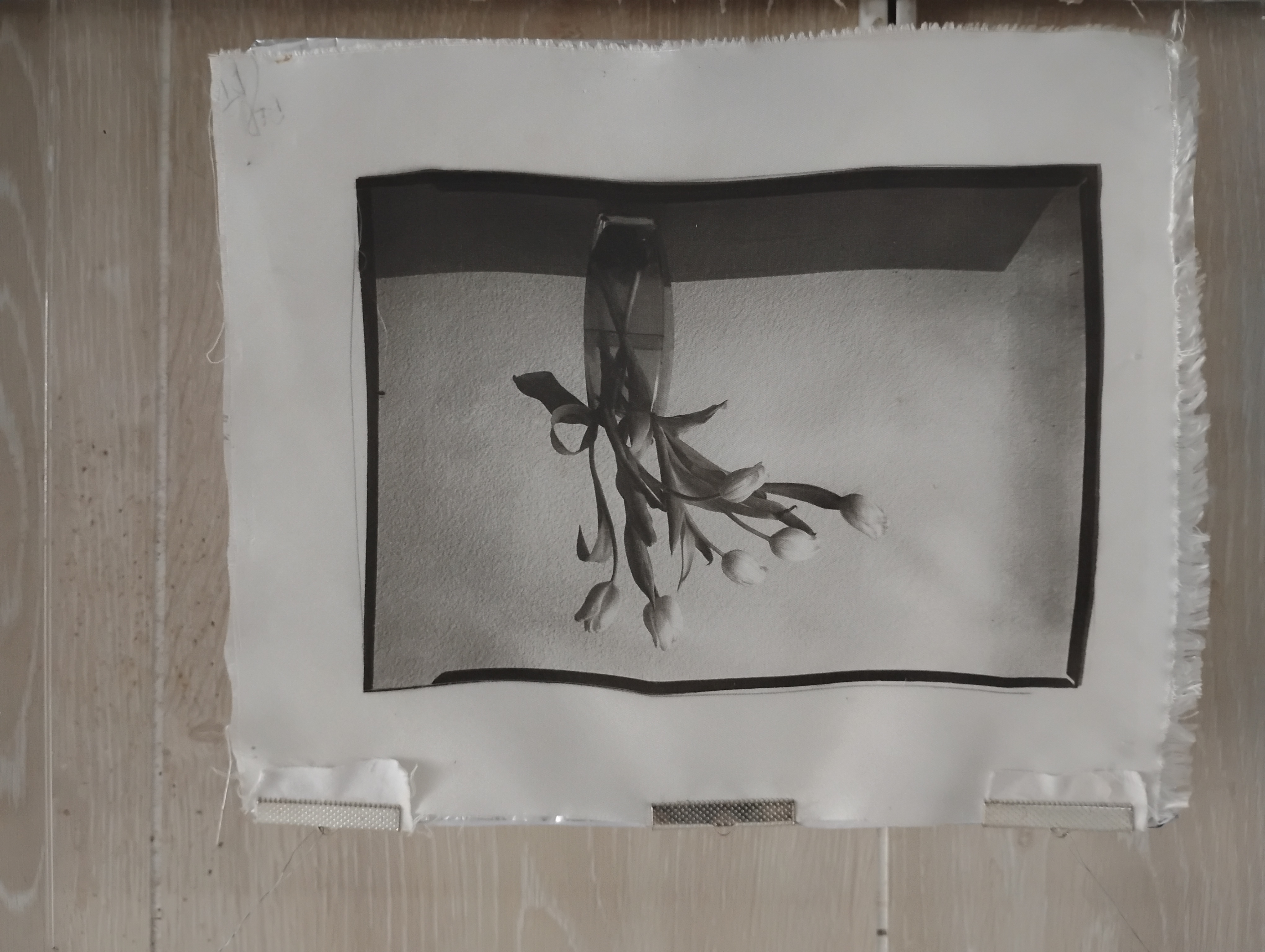 Tulips in a Vase |
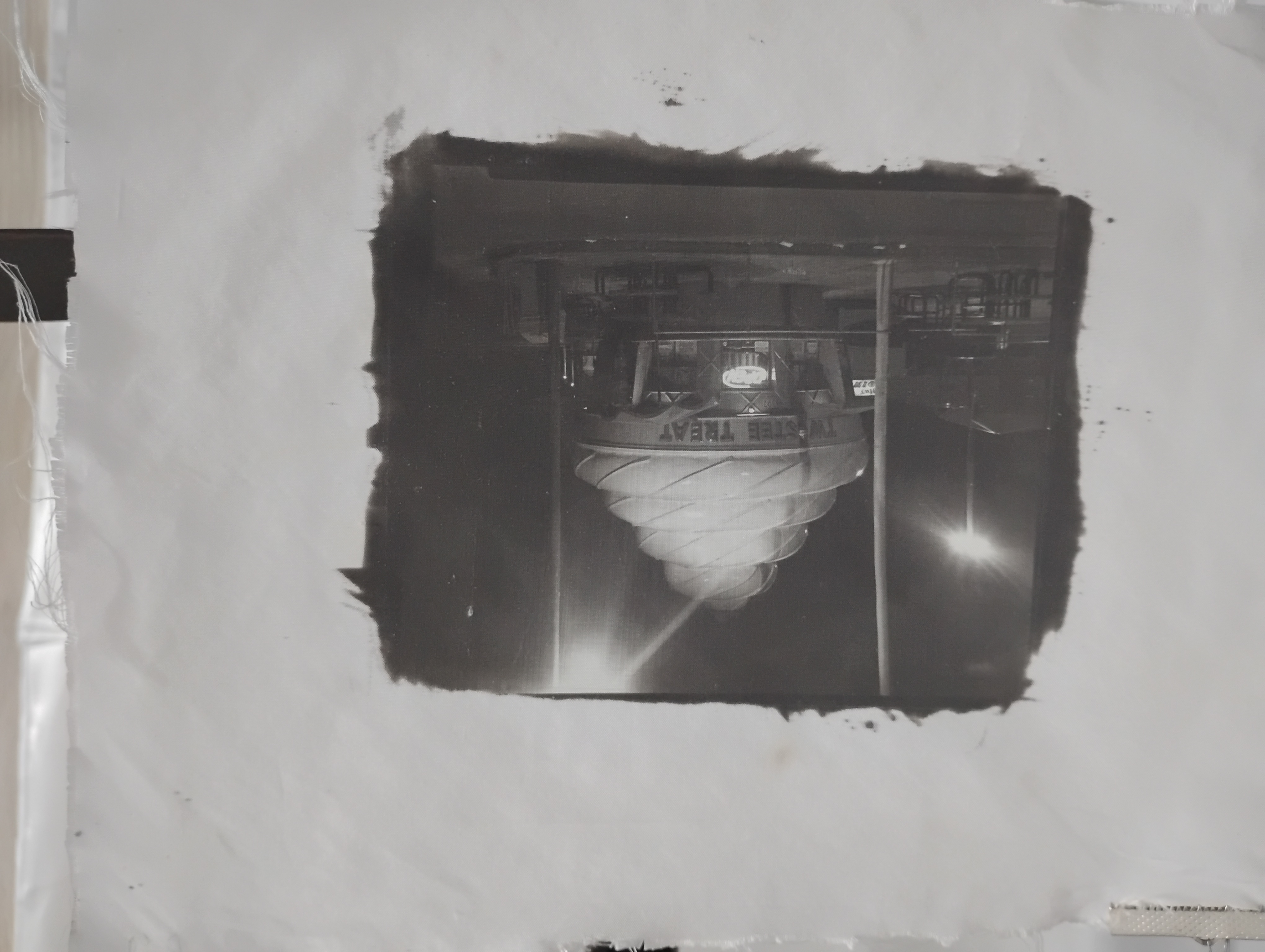 Twistee Treat, Tavares, Florida |
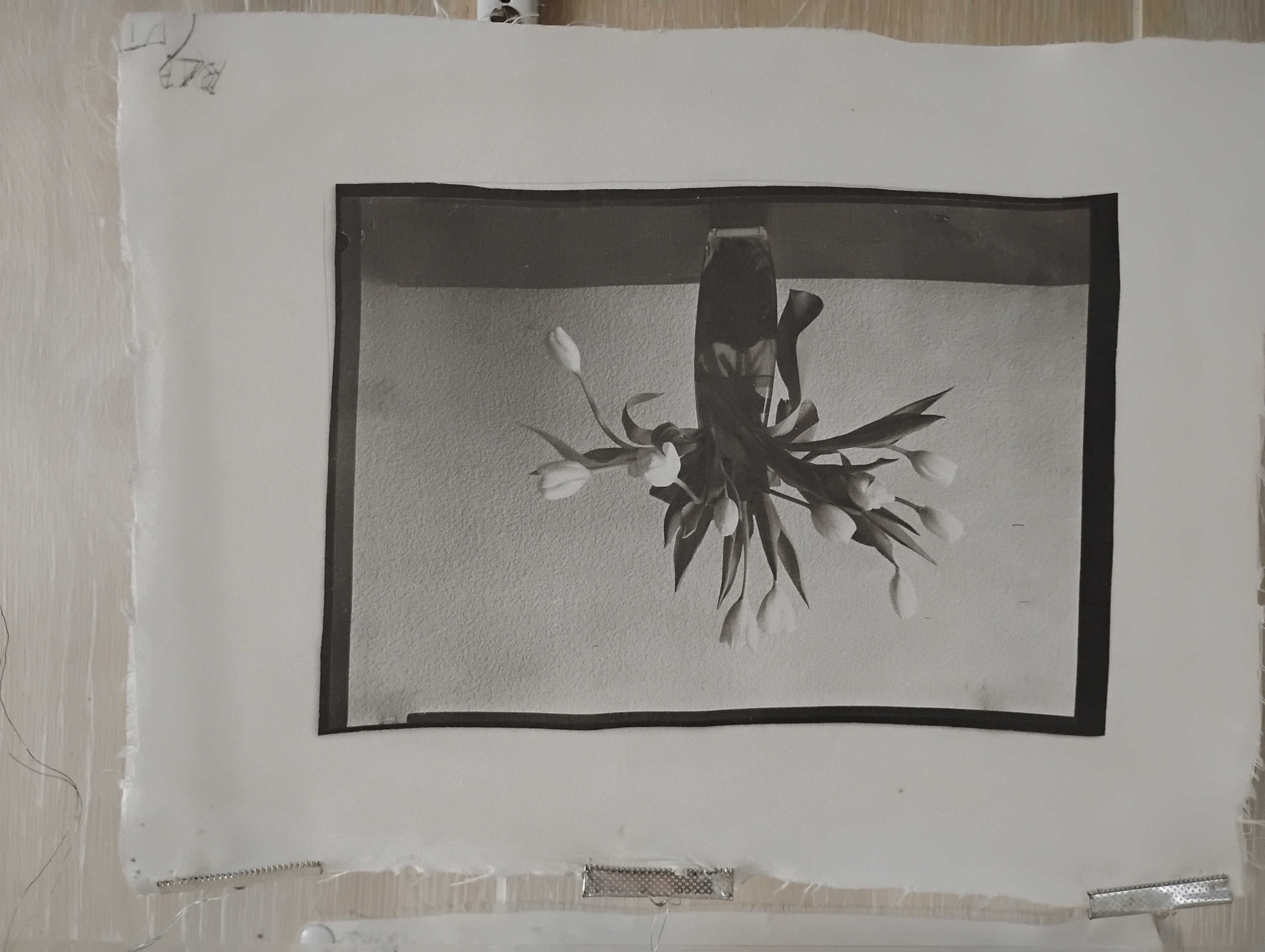 Platinum, Tulips on Silk |
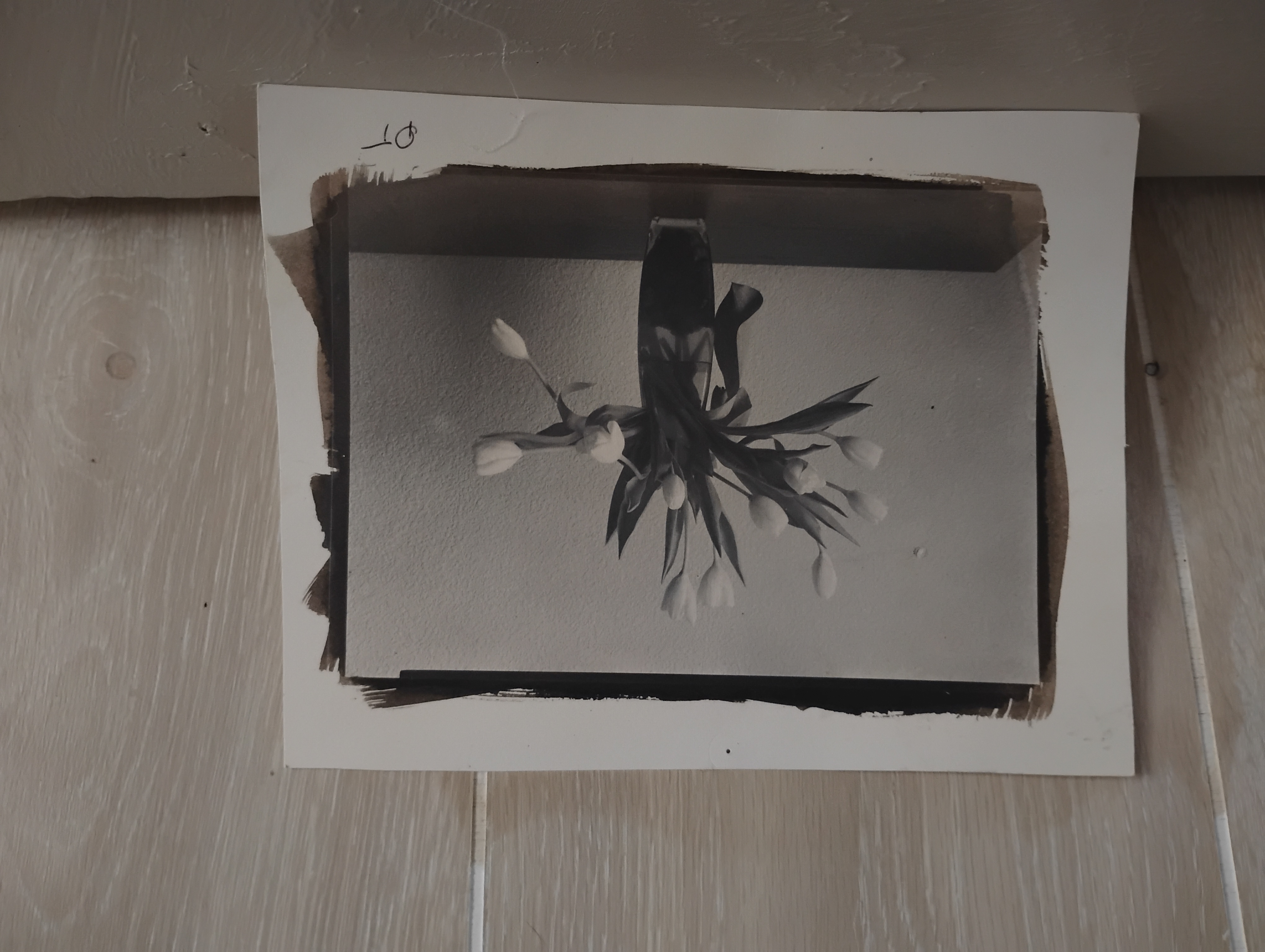 Same negative on Legion Revere Platinum paper: the inferior quality is the result of paper absorbing platinum into its cellulose fibers. |
WHY PLATINUM? WHY SILK?
Platinum dominated photographic serious printing -- "art" -- until World War One. Printers had access to palladium chloride for printing photographs in the 1890s but the metal did not win widespread acceptance until well into the Great War, about 1916 when platinum, vital to the war effort, was unavailable anywhere. Palladium (and platinum) printing was subsequently killed off by silver paper in the 1920s. Seventy years later, palladium saw a comeback among enthusiast printers after Richard Sullivan succeeded in getting palladium (but not platinum) to print out on hydrated paper. Amateurs nowadays hide their very appropriate sense of inferiority by asserting that they "do platinum printing with palladium" (shades of Aesop's "The Fox That Lost Its Tail"!). And I have even seen on the interwebs desperate dilettantes claiming they print platinum on silk -- that is, palladium printed on the paper with silk fibers pressed into the cellulose while it is in the mold. Not quite the same thing as woven silk fabric. Nor does palladium deliver anywhere near the same cachet as platinum.
Early in 1897 the popular photography magazines were abuzz with news that someone had succeeded in preparing silk to print with platinum. Photographers at that time routinely printed silver on silk and were delighted with the commercial prospects for offering clients portraits in the king of the noble metals: platinum. In the fall of that same year William Willis' Platinotype Company announced the addition of platinum-sensitized silk to its catalog. What is certain is that photographers made prints using the material. Platinum was cheap (two dollars an ounce at that time) and the Platinotype silk was not scandalously expensive. After the armistice in late 1918, the material remained in the catalog until 1921. Despite over two decades of promotion and sales, not a sole, solitary, single platinum print on silk is to be found in any collection, any archive, any library or museum. I have exchanged emails with curators, librarians, researchers, art dealers, and scientists who would have access to such works if any were to be found. None exist in any public or known private domain. (I believe this disappearance is attributable to the standard use of hydrochloric acid to clear platinum prints -- fine for paper and cotton but not for silk.) When Platinotype shut down operations in 1937, the formula for prepping silk for platinum coating and printing was destroyed along with all other company documents.
By the mid 1980s, Martin Axon had established himself in New York City as a master fine art printer working with platinum. For several years in that decade, his platinum on cotton prints were all the rage in New York City among well-heeled photographers who could actually afford such objets d'art. Mapplethorpe, Leibovitz, and Horst all notably commissioned platinum-cotton prints of some of their better known images (none were on silk, which was not possible since the early 1920s). Some of the cotton prints even figured in the 2018 film, Mapplethorpe (with a walk on cameo for Martin Axon himself). The tragedy of those prints, considering Christie's and NYC art galleries' fantasy descriptions of cotton prints with platinum variously as linen, canvas, silk -- anything not the pedestrian cotton on which they were printed -- is simply that they were not on silk. The late David Chow reported on his wordpress site, with straight face, that the famous Horst image of a nude Lisa Fonssagrives reclining on a piece of silk -- titled "Lisa on Silk" -- is, as a Christie's copy writer mistakenly noted, printed in platinum on silk. With the interwebs we have entered the age of boneheaded literalism. In another outburst of enthusiasm for nonsense, Chow also claimed with no basis that Horst printed entire sets of his negatives in platinum on silk. Hardly. This is the same nonsense as "I do platinum printing with palladium." Just visit www.platinumaxon.com: Axon's splash page lists a few of his clients, including Horst P Horst. Even recently, one gallery so frustrated apparently by the non-existence of any platinum-silk prints to sell has announced they can finally offer Mapplethorpe images in platinum on silk -- as photogravures made with platinum. Not quite the same thing as an actual photographic print.
Printing platinum on silk produces images of astounding beauty: they show a physical richness and elegance that is swallowed up in the absorptiveness of cotton. By comparison, photographic images in platinum (or palladium) on paper are weak, almost phthisic.